


The government has announced a ban on the land transit of cooking oil through Ghana’s borders, ordering that all consignments must henceforth be routed exclusively through the country’s seaports.
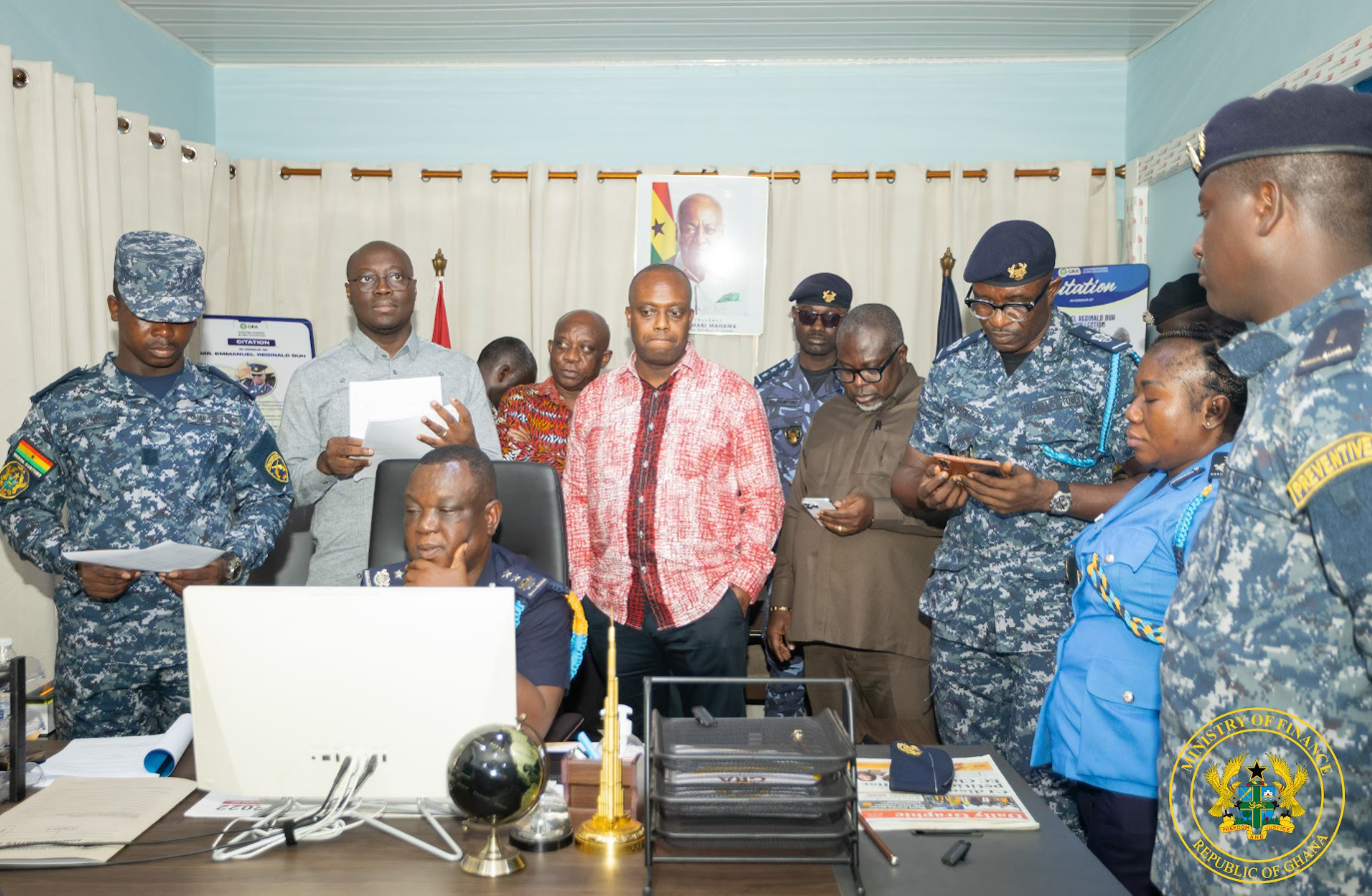
The directive, issued by the Finance Minister, Dr. Cassiel Ato Forson, follows the recent interception of eighteen articulated trucks declared for transit to Niger but suspected to be part of a broader diversion scheme.
Under the new measure, cooking oil consigned for onward transit to landlocked countries will no longer be allowed to move through land border collection points. Instead, all shipments must pass through Ghana’s seaports, where stricter valuation systems, electronic tracking, scanning infrastructure, and layered customs controls are operational.
Authorities say the move is aimed at closing loopholes that have exposed the state to significant revenue losses. Post-interception examinations revealed discrepancies in declared unit values, tariff classifications, and weights, revising the estimated revenue exposure from GH¢2.6 million to over GH¢85 million.
“I’m very disgusted about what happened yesterday, very very disappointed”
Finance Minister Dr. Ato Forson pledges comprehensive reforms in response to the GH¢85 million transit fraud scandal, cautioning that stringent measures will be taken against any alleged involvement of pic.twitter.com/ViDCwPPyj9
— LOVIN GHANA TV (@lovinghanaTV) February 21, 2026
In addition, the Minister has instructed the Ghana Revenue Authority to implement enhanced monitoring and strict compliance enforcement at all land collection points. Measures include intensified cargo tracking, reinforced escort protocols, and tighter supervisory oversight.
Dr. Ato Forson has also directed prompt disciplinary proceedings against Customs officers found complicit in similar breaches, with criminal investigations extending to importers and clearing agents where evidence supports prosecution.
