


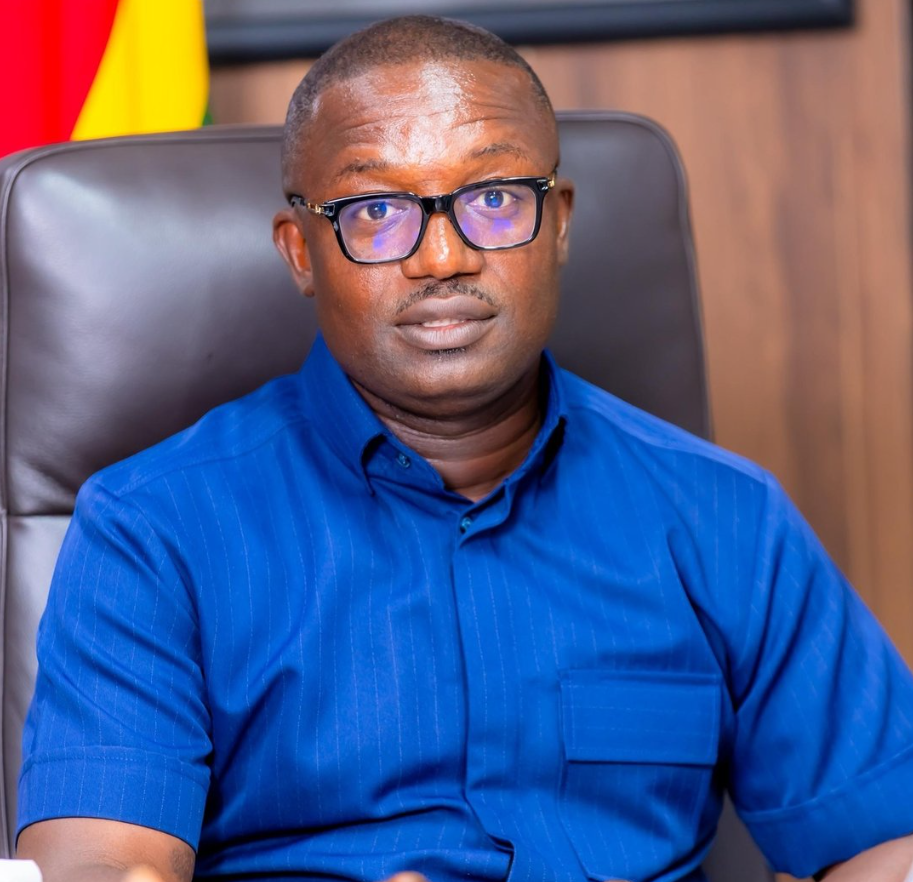
Financing remains a major obstacle to scaling up microgrids and minigrids in Ghana’s quest for universal electricity access, Minister of Energy and Green Transition, John Abdulai Jinapor, has said.Ghana Travel Guide
In an address delivered on his behalf at a National Forum on Microgrids and Minigrids for Off-Grid Electrification in Accra, the Minister noted that high upfront costs and perceived risks continue to discourage private sector participation.
“Financing remains a hurdle — high costs and risks deter private players,” he stated.
“Ghana is addressing this hurdle with stable policies, regulations, de-risking mechanisms, capacity building and market support, while prioritising affordability and inclusion,” he added.
The forum, chaired by former Power Minister, Kwabena Donkor, sought to build consensus on practical steps to accelerate the deployment of decentralised renewable energy systems as part of the country’s electrification strategy.
It brought together government officials, regulators, development partners, private sector actors, traditional authorities and civil society groups to deliberate on policy, regulatory and financing frameworks required to expand microgrid and minigrid deployment.
Ghana’s national electricity access rate currently stands at 89.03 per cent, leaving an estimated 3.5 million people — largely in remote, island and lakeside communities — without reliable power supply.
Mr Jinapor said extending the national grid to such communities is often slow and capital-intensive.
“This demands a rethink of how we plan, deliver and use energy,” he said, describing microgrids and minigrids as “vital pillars” of Ghana’s energy future.
He explained that decentralised systems powered by solar, biomass and battery storage can deliver reliable electricity closer to communities, reduce emissions and stimulate productive activities.
“Electricity that ignores livelihoods, industry and services fails to transform,” he stressed, adding that microgrid-based energy parks must integrate power supply with agro-processing, cold storage, irrigation, healthcare, education and small-scale manufacturing.
The forum highlighted progress under the Africa Energy Parks initiative and the Scaling-Up Renewable Energy Programme (SREP), which are supporting solar mini-grids and solar home systems in off-grid communities.
Mr Donkor observed that despite significant gains in electricity expansion, between 10 and 15 per cent of Ghanaians — mainly in rural and hard-to-reach areas — still lack reliable access to modern energy services.
“Grid extension alone cannot deliver universal access within the required timeframe,” he said, noting that decentralised renewable energy systems offer a complementary pathway.
Also addressing the forum, Paulina Różycka, Team Leader for Infrastructure and Sustainable Development at the Delegation of the European Union to Ghana, said microgrids and minigrids are not merely an option but a necessity for reaching remote communities.
She cited the Africa Energy Parks project in Jang in the Savannah Region as an example of how renewable energy parks can provide reliable power to more than 500 households while promoting productive use and climate resilience.
The forum is expected to produce a summary of key recommendations, secure stakeholder endorsement of the Africa Energy Parks model and strengthen collaboration among government, industry and development partners.
Source: GNA
