


At first glance, Iran charging ships up to $2 million to pass through the Strait of Hormuz might not sound outrageous. Ships already pay hefty fees to cross the Suez Canal, and no one calls that extortion. So why is this any different?
Because a canal and a strait may look similar on a map, but they operate on entirely different rules: legally, strategically, and economically.
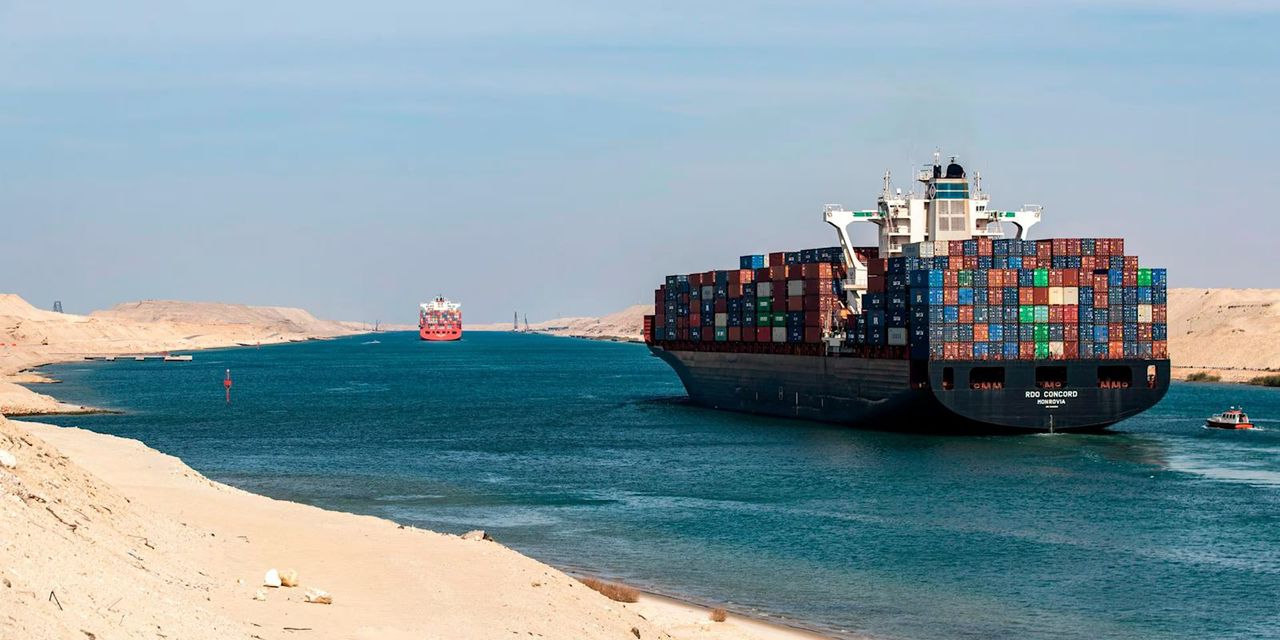
The Suez Canal is a man-made shortcut. Egypt built it, maintains it, secures it, and continuously invests in keeping it navigable. The fees ships pay are, in essence, payment for a service. And crucially, there is an alternative. Vessels can always reroute around the Cape of Good Hope, adding time and cost but preserving choice.
 That element of choice is what makes the system work.
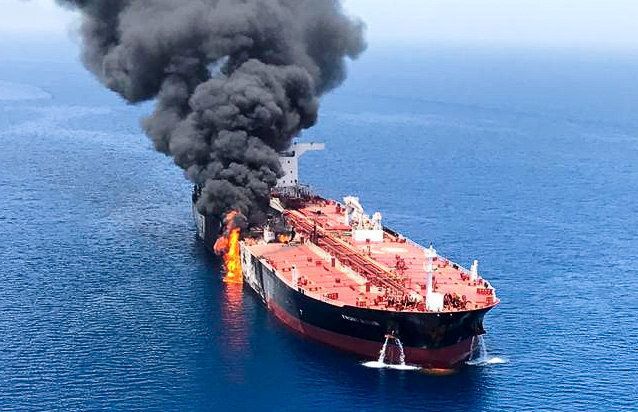
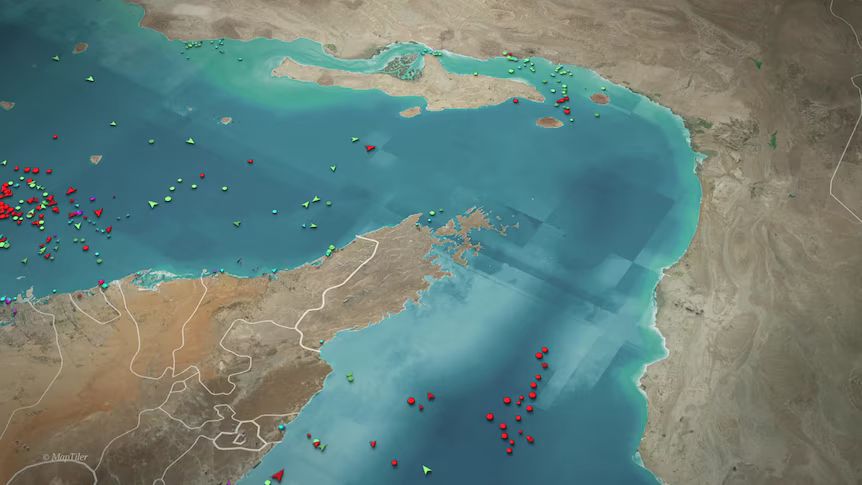
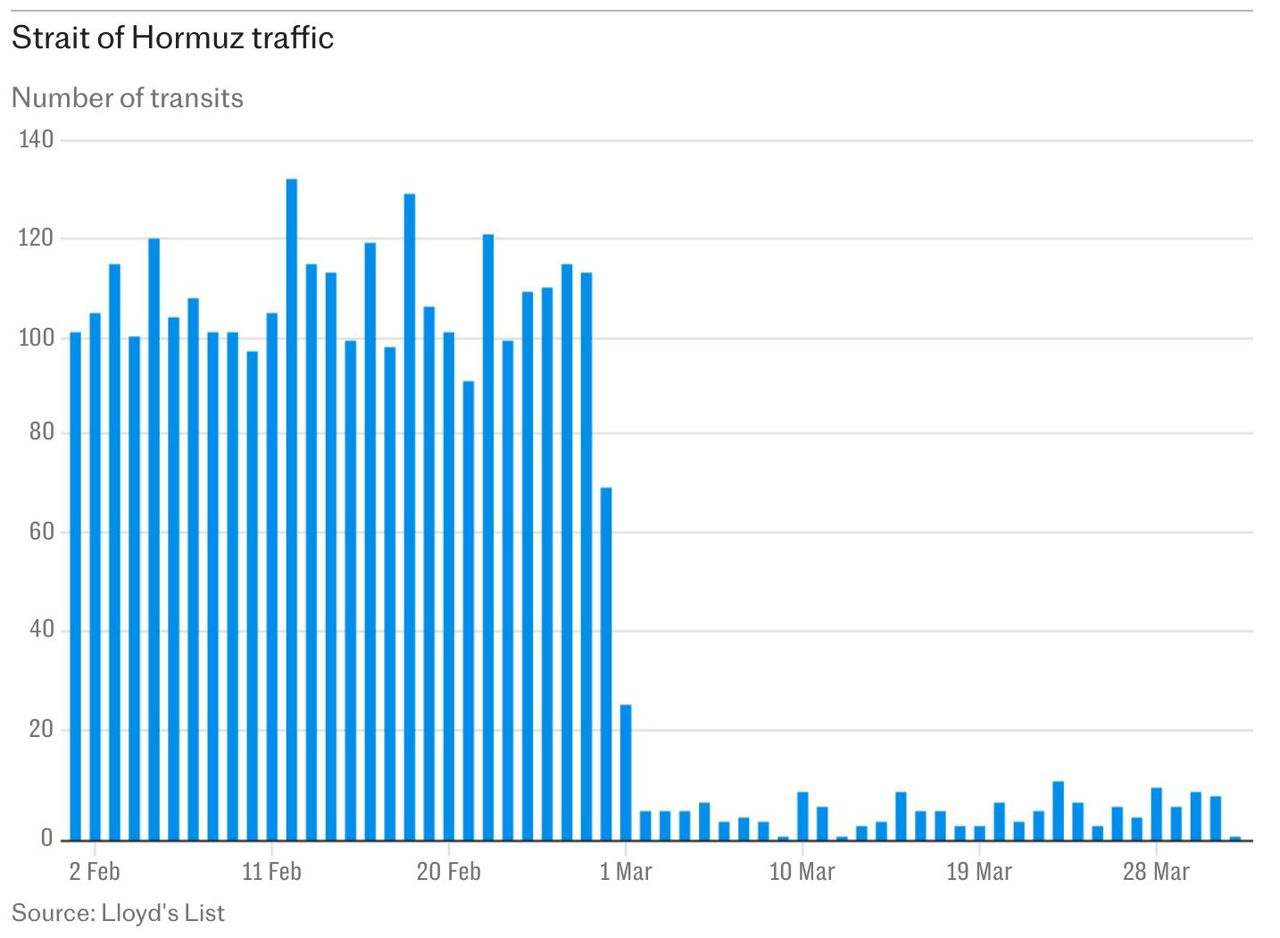
The Strait of Hormuz offers no such flexibility. It’s not infrastructure; it’s geography. Nearly a fifth of the world’s oil supply moves through that narrow passage, and there is no realistic way around it. When Hormuz closes, or becomes prohibitively expensive, global energy markets seize up, as we’re witnessing now.
This is exactly why international law treats straits differently. Under the UN Convention on the Law of the Sea, waterways like Hormuz are subject to “transit passage,” meaning ships have the right to pass through without interference. Coastal states can regulate safety and traffic, but they can’t charge simply for the act of passing through. Even the UN’s maritime agency has warned that imposing tolls in Hormuz would set a “dangerous precedent.”
And that word, precedent, is where this story really begins.
If Iran can charge for Hormuz, what stops others from doing the same? Indonesia in the Strait of Malacca, through which a huge share of global trade flows. Turkey in the Bosphorus. Denmark in the Danish Straits. Each of these chokepoints suddenly becomes a monetized gate.
At that point, global trade stops being governed by rules and starts being dictated by whoever controls the narrowest passage of water.
We’ve long accepted fees for canals, ports, and even specialized services like escorts through dangerous waters. But charging for simple passage through a natural international strait crosses into new territory, one that could reshape how global commerce functions.
