


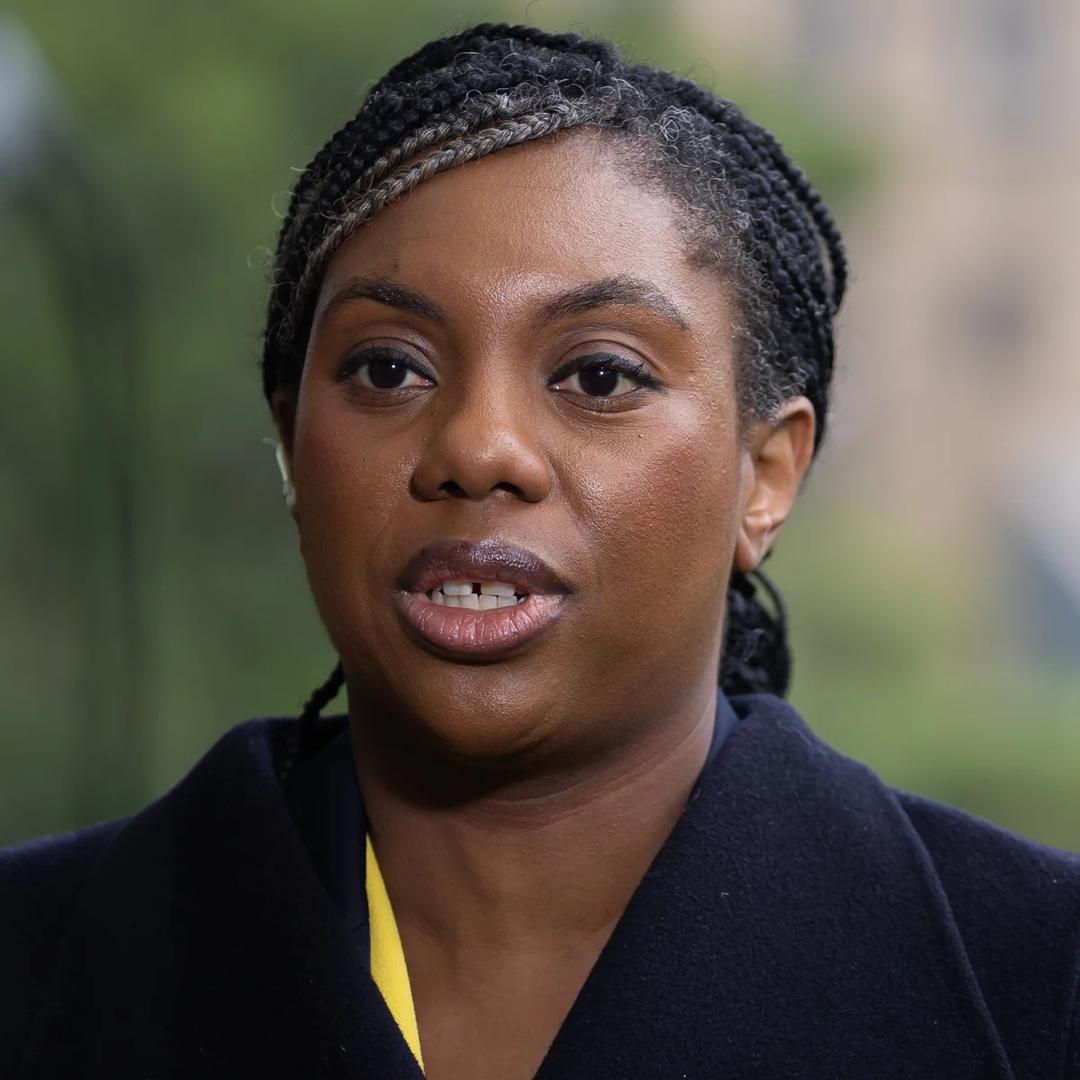
The leader of the UK Conservative Party, Kemi Badenoch, has criticised Britain’s decision to abstain from a United Nations resolution on slavery, arguing that the country should have voted against it.
The resolution, introduced by Ghana and adopted by the United Nations General Assembly, recognises the transatlantic slave trade as the gravest crime against humanity and calls for global efforts toward reparative justice, including the establishment of a reparations framework.
The United Kingdom joined 51 other countries—largely from Europe—in abstaining from the vote. In a post on X, Badenoch questioned the government’s stance, warning that the resolution could expose British taxpayers to significant financial demands.
“Russia, China and Iran vote with others to demand trillions in reparations from UK taxpayers…and the Labour government abstain!
“Britain led the fight to end slavery. Why didn’t Starmer’s representative vote against this? Ignorance…or cowardice? We shouldn’t be paying for a crime we helped eradicate and still fight today.”
The resolution, introduced by Ghana, was adopted with 123 votes in favour, while the United States, Israel, and Argentina voted against it. A total of 52 countries abstained, including the UK and several European Union member states.
Although not legally binding, General Assembly resolutions carry significant moral and political weight. The measure calls on nations to acknowledge their roles in the slave trade, consider issuing formal apologies, and support initiatives such as a global reparations fund.
Ahead of the vote, President John Dramani Mahama framed the resolution as a moral imperative tied to historical accountability.
“Let it be recorded that when history beckoned, we did what was right for the memory of the millions who suffered the indignity of the slave trade and those who continue to suffer racial discrimination,” he told the assembly.
“’The adoption of this resolution serves as a safeguard against forgetting. It also challenges the enduring scars of slavery,’’ he said.
‘We cannot confuse participation with responsibility’ – Callistus Mahama
Ghana’s Foreign Minister, Samuel Okudzeto Ablakwa, also emphasised that the push for reparations is rooted in justice rather than personal gain.
“We are demanding compensation – and let us be clear, African leaders are not asking for money for themselves.
“We want justice for the victims and causes to be supported, educational and endowment funds, skills training funds.”
He added that Ghana’s position is not about elevating its own suffering above others but about documenting historical truth.
The call for reparatory justice has gained increasing global attention in recent years, with African and Caribbean leaders advocating structured dialogue on addressing the enduring social and economic impacts of slavery.
Historians estimate that between the 16th and 19th centuries, between 12 and 15 million Africans were forcibly taken to the Americas, with over two million people dying during the transatlantic journey.
Russia, China and Iran vote with others to demand trillions in reparations from UK taxpayers…and the Labour government abstain!
Britain led the fight to end slavery.
Why didn’t Starmer’s representative vote against this? Ignorance…or cowardice?
We shouldn’t be paying for a… https://t.co/nWlzBxhb5w
— Kemi Badenoch (@KemiBadenoch) March 26, 2026
