


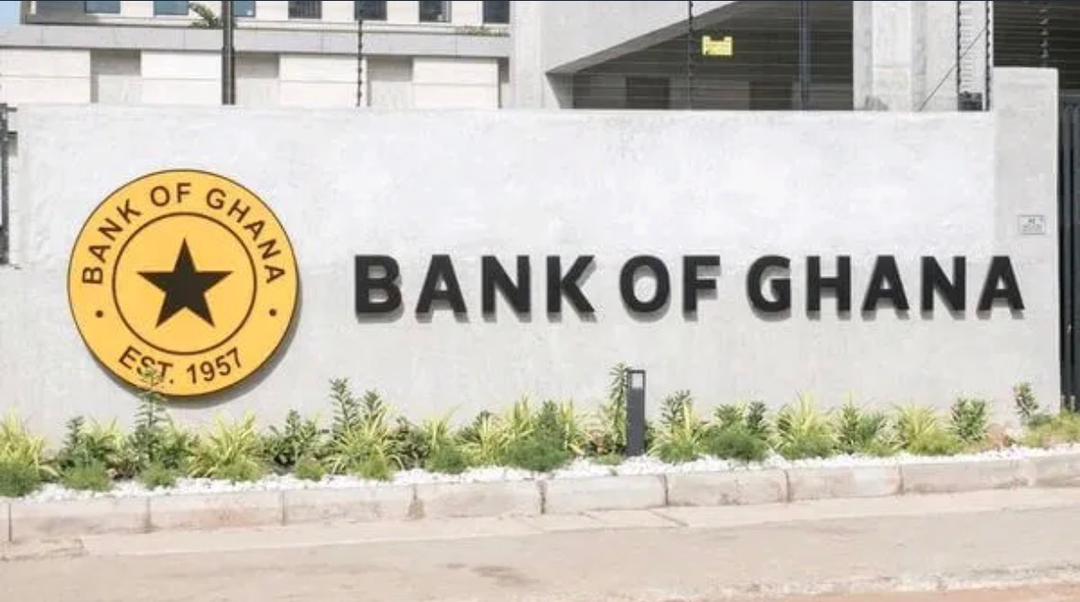
The Centre for Economic Research and Policy Analysis (CERPA) has raised concerns over the growing financial pressure facing the Bank of Ghana (BoG), warning that high interest rates and the continued depreciation of the cedi are contributing heavily to the central bank’s losses.
According to a new policy brief by CERPA, the Bank of Ghana’s efforts to control inflation and stabilise the local currency have come at a significant financial cost. The report explained that the central bank’s tight monetary policies, including high policy rates and aggressive liquidity management operations, are increasing operational expenses and worsening its balance sheet.
CERPA noted that the Bank of Ghana has relied heavily on open market operations and central bank bills to absorb excess liquidity from the economy. While these measures have helped slow inflation and reduce pressure on the cedi, they have also become more expensive due to the high-interest-rate environment.
The think tank further explained that the depreciation of the cedi has added to the problem by increasing the domestic value of the central bank’s foreign liabilities. This has reportedly led to revaluation losses that continue to weaken the institution’s financial position.
The report comes at a time when public debate over the Bank of Ghana’s finances has intensified following disclosures of major losses in recent years. Recent reports indicated that the central bank recorded a comprehensive loss of nearly GHS 34.9 billion for the 2025 financial year.
CERPA warned that the situation presents a difficult balancing act for policymakers. On one hand, tight monetary policy is necessary to maintain price stability and restore investor confidence. On the other hand, the financial burden associated with these policies could continue to strain the Bank of Ghana’s operations and raise concerns about long-term sustainability.
The policy institute also expressed concern about the central bank’s increasing exposure to government debt and quasi-fiscal interventions, arguing that such activities could undermine the Bank of Ghana’s independence over time. CERPA suggested that some of these responsibilities should be transferred fully to the Ministry of Finance so the central bank can focus more on its core m
Despite the concerns, recent Bank of Ghana data shows inflation has continued to decline significantly in early 2026, supported by tight monetary policy, improved food supply conditions, and relative currency stability.
