


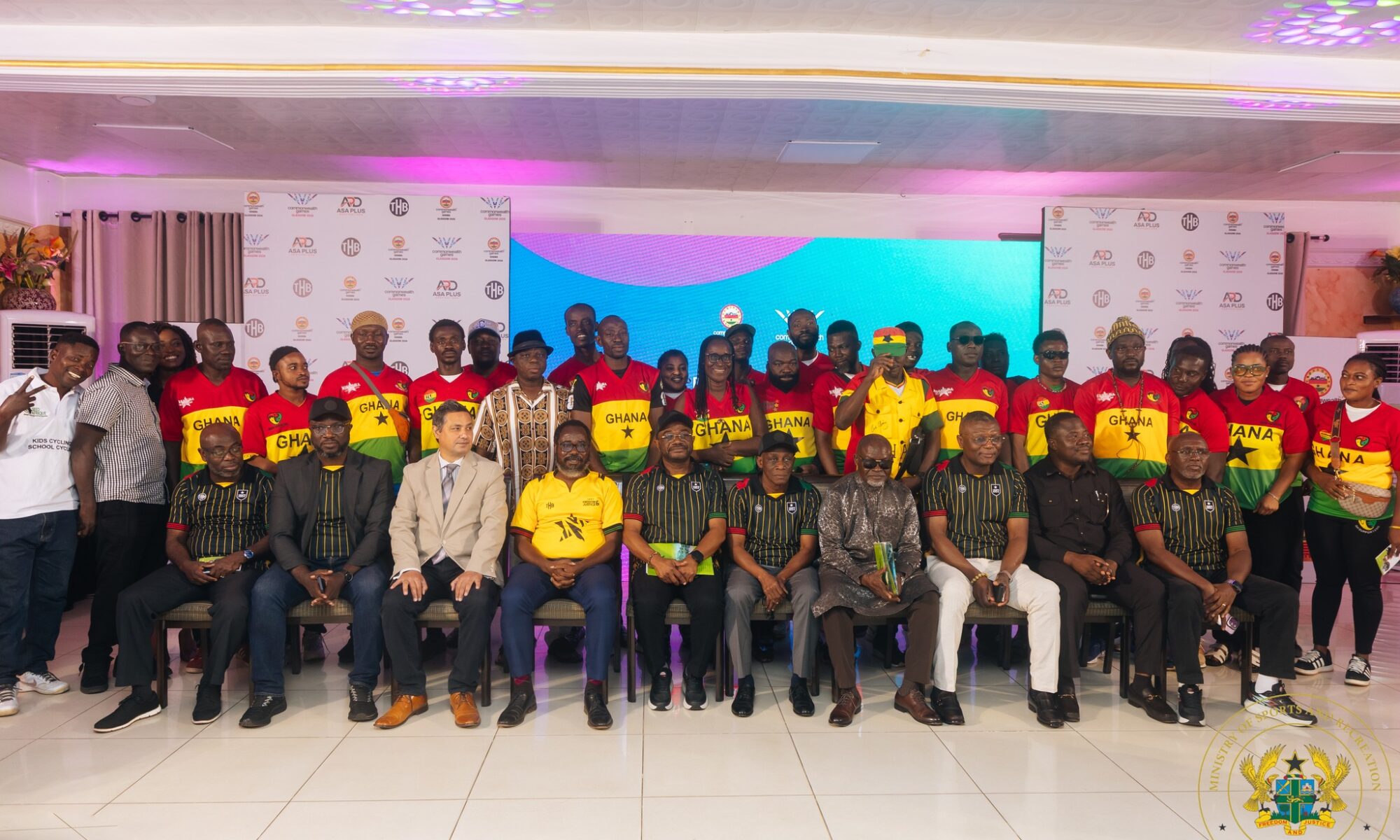
Minister for Sports and Recreation, Kofi Adams, has called for sports to be recognised as a measurable contributor to Ghana’s economy, stressing the need to move beyond participation and national pride towards tangible economic impact.
Speaking at the launch of Ghana House for the 2026 Commonwealth Games in Glasgow, the Minister said government aims to reach a stage where the contribution of sports to the country’s Gross Domestic Product (GDP) is officially captured in national economic reporting.
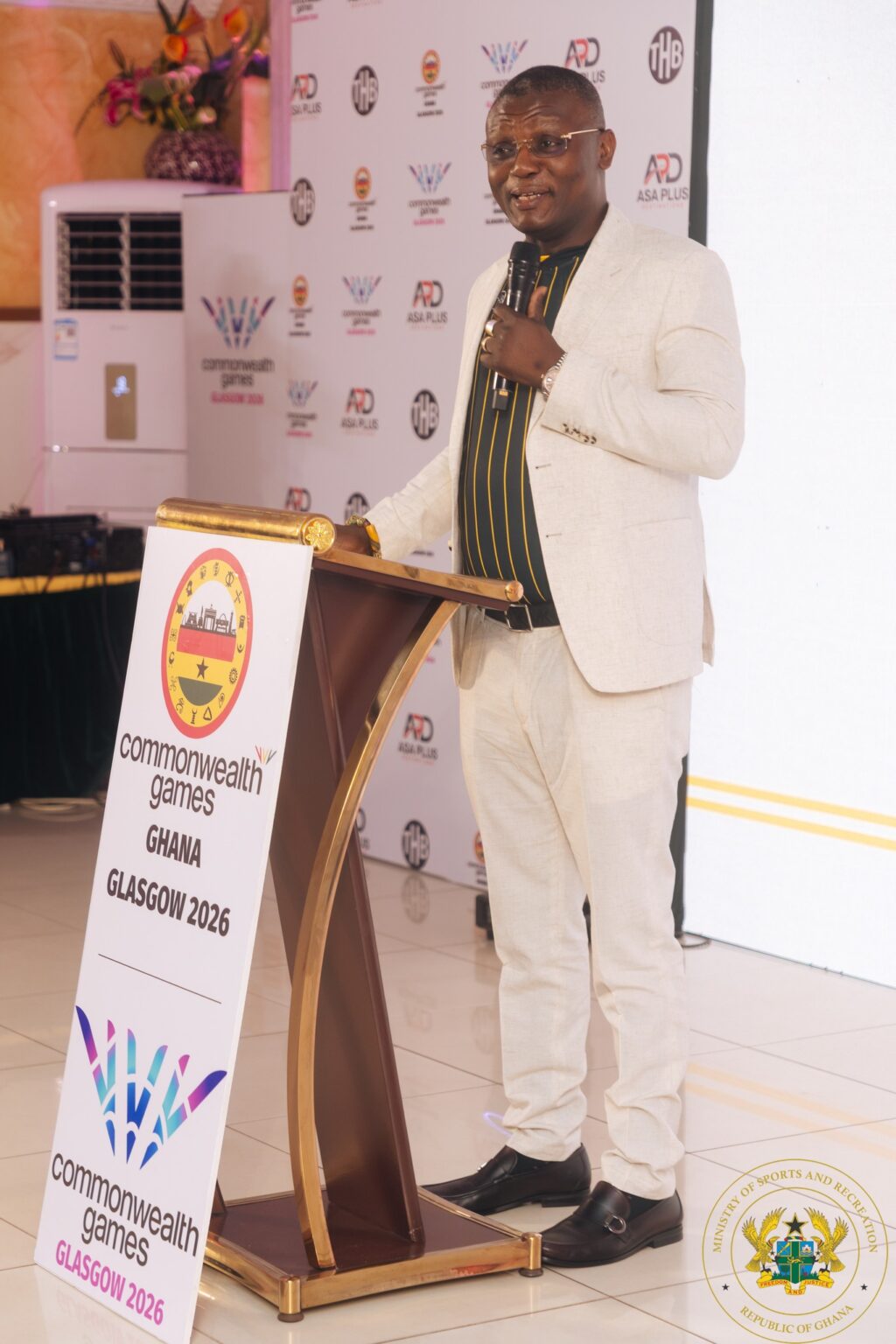
According to Mr. Adams, the vision reflects a broader shift in Ghana’s sports development strategy, positioning sports as a driver of economic growth, tourism, investment, and national branding.
He noted that strategic investment in athletes and sporting infrastructure could generate opportunities that extend beyond medals and competitions.
Reflecting on Ghana’s history at the Commonwealth Games, the Minister highlighted the achievements of Ghanaian athletes since the country’s first participation in 1954, noting that Ghana has won more than 60 medals over the years.
Drawing lessons from the 2022 Commonwealth Games in Birmingham, he said major sporting events have proven capable of stimulating economic activity through tourism, trade, media exposure, and investment opportunities.
“The post-Games evaluation reported that Birmingham 2022 contributed about £1.2 billion to the UK economy. These figures tell us something very important: when a country approaches Commonwealth Games strategically, the returns go beyond medals,” he said.
Central to Ghana’s strategy is the Ghana House initiative, which seeks to promote the country’s culture, creativity, and business potential alongside athletic performance during the Games.
Mr. Adams explained that the success and visibility of Ghanaian athletes would directly influence the country’s global image and engagement opportunities.
“When our athletes shine, Ghana shines,” he remarked.
The Minister also stressed the importance of equitable investment across all sporting disciplines, including less prominent sports, through improved welfare, technical support, training, and performance planning.
Looking ahead to Glasgow 2026, he called for stronger collaboration between government, the private sector, and the Ghanaian diaspora to maximise both sporting and economic opportunities.
“We want our national teams to compete, but we also want Ghanaian businesses to connect. We want our athletes to win medals, but we also want our country to win visibility,” he added.
Mr. Adams said the long-term vision is to position Ghana not only as a competitive sporting nation, but also as a country capable of translating athletic excellence into sustainable national development.
